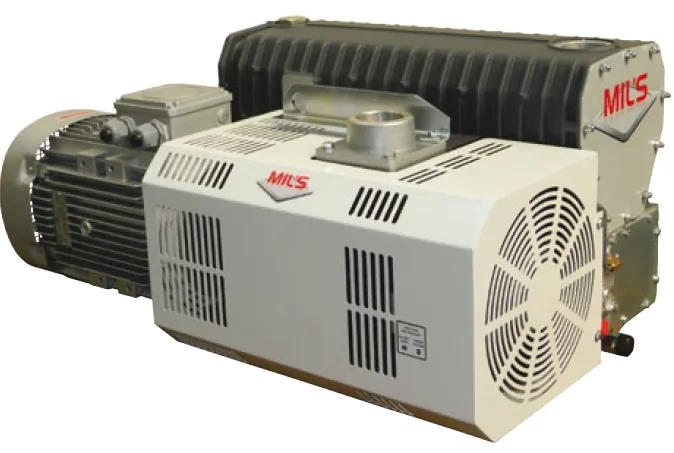
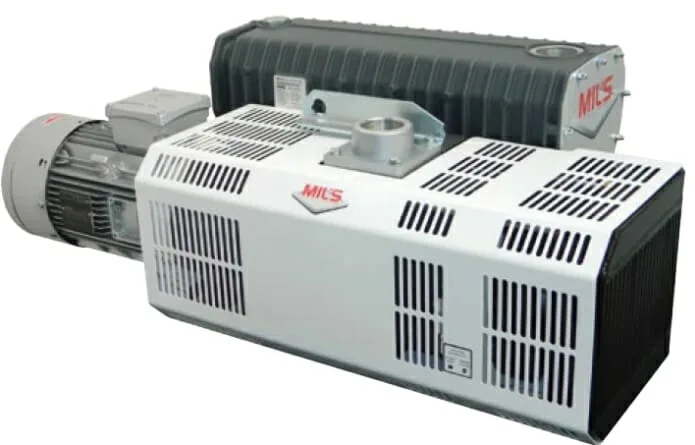
Compare rotary vane, turbomolecular and diffusion pumps for your vacuum installation. The appropriate technology depends on the required pressure, gas load, pumping speed and process conditions.
Start with the pressure needed at the chamber and the gas load the pump must handle. A pump’s ultimate pressure is a test specification, not a promise that an assembled system will reach the same pressure. Pipework, seals, leaks and the process all matter. Compare the pump together with its backing equipment, gauges and controls.
Frequently asked questions
Which type of high-vacuum pump do I need?
The choice depends on the required pressure, gas throughput and acceptable contamination. Browse turbomolecular and diffusion pumps for high-vacuum stages, and check whether a rotary vane pump is appropriate for roughing or backing duties. Send your process requirements before choosing a model.
Is pumping speed the same as ultimate vacuum?
No. Pumping speed describes the volume of gas a pump can remove per unit of time under stated conditions. Ultimate pressure describes the lowest pressure measured under specified test conditions. You need both figures, together with the operating pressure and gas load, to compare equipment.
Can I replace a pump with a different brand?
Possibly, but matching nominal pumping speed alone is not enough. Check inlet and exhaust connections, electrical supply, controls, cooling and the pressure range. Send the existing model and a photograph of its nameplate so we can discuss a replacement.
What should I include in a high-vacuum pump enquiry?
Include chamber volume, target pressure, gases or vapours, required pump-down time and operating hours. For an existing installation, include the backing pump, gauge and controller models. Tell us which components you want to retain.
We use cookies to ensure that we give you the best experience on our website. If you continue to use this site we will assume that you are happy with it.