
Freeze drying, or lyophilisation, is increasingly becoming the gold standard for preservation across the UK’s food, pharmaceutical, and nutraceutical industries. Whether you are looking to preserve high-value seasonal produce or prepare sensitive biological samples in a lab, the transition from "considering" to "purchasing" a freeze dryer can be a technical minefield.
At Girovac, we have been specialising in medium and high vacuum equipment since 1983. With over 40 years of expertise, we have seen the freeze-drying market evolve from a niche scientific process to a mainstream industrial solution. Based in North Walsham, our engineering team supports businesses across the UK with everything from bespoke system design to the smallest replacement O-rings.
If you are entering the market for a freeze dryer, here are 10 essential factors you must consider to ensure your investment delivers a reliable return.
1. Define Your Throughput, Not Just Your Capacity
One of the most common mistakes first-time buyers make is confusing the physical size of the chamber with the actual production capacity. To size a system correctly, you must calculate your "wet-material throughput." This involves knowing the weight of the product before it goes in, its moisture content, and the desired final moisture level.
Remember that batch times can vary significantly depending on the product’s thickness. A system that can hold 50kg of material is of little use if your cycle time is 48 hours and you need to process 50kg every day.
2. Condenser Temperature is Critical
For sublimation to occur effectively, the condenser (the "cold trap") must be significantly colder than the freezing point of your product, typically by 15°C to 20°C.
Most industrial food freeze dryers operate with condensers at around -50°C. However, if you are working with specific solvents or eutectic points (the temperature at which a substance is fully solid), you may require a system capable of reaching -80°C or lower. Choosing a system with insufficient condenser depth will lead to poor shelf-life and potential damage to your vacuum pump as vapour bypasses the trap.
3. The Heart of the System: Selecting the Right Vacuum Pump
A freeze dryer is only as reliable as its vacuum pump. This component is responsible for maintaining the low-pressure environment required for water to sublimate directly from ice to vapour.
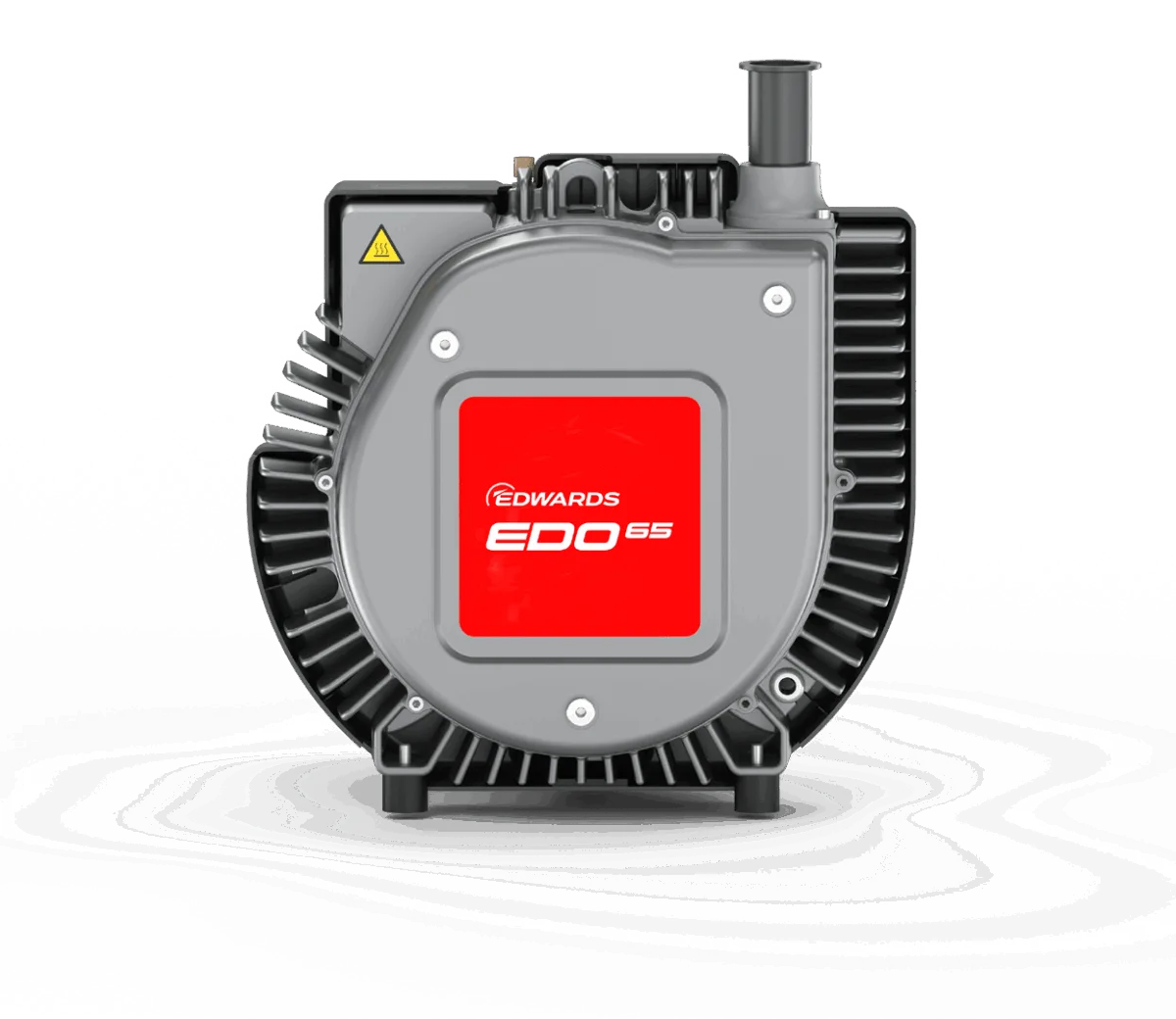
As the UK distributor for MIL’S French-engineered vacuum pumps, we often recommend their rotary vane models for freeze-drying applications. They offer the robust, continuous-duty performance required for long cycles. Whether you choose a new MIL’S unit or a high-quality reconditioned model like the Edwards E2M18, ensure the pump is sized correctly to handle the initial "pull-down" and the ongoing vapour load.

4. Shelf Area vs. Product Thickness
The usable shelf area determines how much product you can spread out in a single layer. For most food and pharmaceutical applications, thin layers are preferable to ensure uniform drying. If you attempt to "over-stack" trays to increase capacity, you risk uneven drying and "melt-back," where the core of the product remains frozen while the exterior appears dry, eventually spoiling the entire batch.
5. UKCA Compliance and Site Utilities
Following the UK’s exit from the EU, it is vital to ensure any equipment you purchase is UKCA marked (or CE marked where applicable) to meet British safety and quality standards.
Beyond compliance, consider your site’s utilities. Large industrial freeze dryers often require:
- Three-phase electricity (typically 220–480V).
- Cooling water for the refrigeration systems.
- Floor drainage to handle the 100+ litres of water released during the defrost cycle.
- Compressed air for pneumatic valves.
6. The Advantage of Reconditioned Equipment
A new industrial freeze dryer is a significant capital investment. For many UK businesses, particularly startups or those expanding their R&D labs, high-quality reconditioned equipment offers a cost-effective alternative.
At our North Walsham workshop, we maintain a stock of reconditioned vacuum pumps from leading brands like Edwards, Leybold, and Busch. These units are stripped, serviced, and tested to our exacting standards and are supplied with a 6-month warranty (covering parts and labour). This can often provide a "like-new" performance at a fraction of the cost of a brand-new system.

7. Maintenance is Not Optional
Vacuum systems operate under extreme conditions. Regular oil changes, seal inspections, and sensor calibrations are essential to prevent downtime. We recommend budgeting roughly 5–10% of the equipment’s capital value annually for maintenance and spares.
Because we specialise in vacuum technology, we don't just sell equipment; we service it. Our technicians can repair and service almost all major European brands, ensuring your system remains efficient for decades, not just years.

8. Don’t Overlook the Smallest Components
A freeze dryer is a "total solution" system. A single perished O-ring or a faulty vacuum gauge can cause a vacuum leak that ruins an entire production batch.
We pride ourselves on being a one-stop shop. Whether you need a complete bespoke freeze-drying system or just a handful of high-quality gaskets, viewports, or vacuum grease, we maintain the stock to keep you running. Having a local UK supplier for these consumables is far more efficient than waiting weeks for overseas shipping.

9. Automation and Data Logging
Modern freeze drying requires precision. For pharmaceutical and high-end food products, you will need a system with PLC (Programmable Logic Controller) automation. This allows you to set specific drying "recipes", controlling the heating rate of the shelves and the vacuum levels at different stages of the cycle.
Data logging is equally important. If a batch fails, you need to be able to look back at the pressure and temperature graphs to identify exactly where the process went wrong.
10. Partner with a Specialist, Not Just a Vendor
Buying a freeze dryer from a generic industrial supplier often leaves you without the technical support you need when things get complex. At Girovac, we are freeze-dryer specialists.
We provide expert advice based on 40 years of hands-on experience. We can help with system design, help you choose between oil-lubricated or dry vacuum pumps, and provide the technical training your team needs to operate the equipment safely and efficiently.
Get Expert Advice for Your Freeze-Drying Project
Choosing the right equipment is a long-term commitment. Whether you are looking for a new MIL’S system, a reconditioned Edwards pump, or simply need advice on maintaining your current setup, our team is here to help.
For expert advice or a formal quotation, please contact us at [email protected].
In the world of industrial vacuum technology, reliability is the silent partner of productivity. For over 40 years, Girovac has seen how even the most robust systems can be brought to a standstill by a single component failure. Whether you are running a laboratory freeze dryer or a high-capacity manufacturing line, the failure of a vacuum pump is never a minor event. At best, it is an inconvenience; at worst, it represents a significant financial, operational, and safety risk.
This is particularly true for the MIL'S Evisa range: the industry-leading French-engineered rotary vane pumps that we have supplied and serviced across the UK since the 1980s. While these pumps are renowned for their longevity, the way they are maintained is undergoing a fundamental shift.
The introduction of the MVM (Monitoring) option represents a move away from "best guess" maintenance schedules towards a data-driven, predictive approach. Here is why predictive maintenance is becoming the new standard for Evisa vacuum pump maintenance.
The Problem with Traditional Maintenance Strategies
Historically, most facilities have relied on two primary methods of keeping their vacuum pumps running:
- Corrective Maintenance: Repairing the pump only after it has failed. This is the most expensive strategy, as it leads to unplanned downtime and potentially catastrophic internal damage that could have been avoided.
- Preventive Maintenance: Performing service at fixed intervals based on manufacturer recommendations or historical experience (for example, changing the oil every 3,000 hours).
While preventive maintenance is a significant step up from waiting for a breakdown, it has inherent flaws. These intervals are often arbitrary. If you perform maintenance too early, you incur unnecessary costs and take the equipment offline when it is still in peak condition. If you perform it too late: perhaps because the pump has been running in particularly harsh or contaminated conditions: you risk a failure before the next scheduled service.

Even in installations with built-in redundancy, such as the MIL'S Hospivac systems used in healthcare, redundancy does not eliminate the risk. It merely provides a safety net. Harsh operating conditions, inadequate lubrication, or missed service windows can still compromise the primary and backup units alike.
Why Predictive Maintenance is the New Standard
Predictive maintenance for vacuum pumps changes the logic entirely. Instead of following a calendar or a clock, maintenance is driven by the actual condition of the equipment.
By continuously assessing the health of the pump, interventions are carried out exactly when they are needed: neither a day too early nor a day too late. This "condition-based" approach is becoming essential as operators look to reduce the total lifecycle cost of their equipment rather than just the initial purchase price.
Why Focus on Oil?
For lubricated pumps like the Evisa range, the lubricating oil is the lifeblood of the system. Most mechanical issues we see in our North Walsham workshop are directly or indirectly related to the oil. Whether it is a drop in oil quantity, a degradation in quality, or high levels of process contamination, the oil is the first indicator that something is wrong.
This is why MIL'S has focused its development efforts: and its sensor technology: on comprehensive oil condition monitoring.
Introducing the MVM Monitoring Option
To support this shift toward smarter maintenance, MIL'S now offers the MVM Monitoring option across the Evisa range. This is not just a simple alarm; it is a sophisticated electronic system designed to provide a real-time window into the pump’s internal health.
The MVM system consists of four key components:
- Electronic Control Unit (ECU): The "brain" of the system that processes data from the sensors.
- Integrated Sensors: These continuously measure the pump’s critical operating parameters, with a primary focus on the state of the lubricant.
- Local Status Indicator: A visual interface on the pump itself that provides immediate feedback on the health of the unit.
- Remote Alarm Contact: Allows for easy integration into wider plant monitoring or SCADA systems, ensuring that maintenance teams are alerted even if they aren't physically standing next to the pump.

How It Works
The MVM system is capable of detecting subtle deviations in operating parameters. It doesn't just tell you that something is wrong; it assesses the criticality of the deviation and identifies the most probable root cause. This level of detail allows your engineering team to prepare the correct parts and tools before the pump is even taken offline.
The Business Case for MVM Monitoring
For facility managers and maintenance engineers, the advantages of MVM monitoring MIL'S equipment are clear and measurable:
- Reduced Unplanned Downtime: Early fault detection allows you to catch a failing bearing or contaminated oil before it leads to a total pump seizure.
- Improved Reliability: Critical processes (such as those in the pharmaceutical or aerospace sectors) require absolute certainty. MVM provides the data to back up that confidence.
- Optimised Maintenance Planning: You can move away from rigid schedules and plan interventions around your production peaks, knowing exactly how much "life" is left in your current oil charge.
- Extended Equipment Lifetime: By detecting degradation before significant damage occurs, you prevent the kind of internal wear that leads to expensive full overhauls or premature replacement.

Total Lifecycle Cost: A Forward-Looking Approach
At Girovac, we are seeing more and more of our customers evaluate their vacuum equipment based on total lifecycle costs. A pump that is slightly more expensive upfront but features advanced predictive monitoring will almost always be the more cost-effective choice over five to ten years of operation.
Predictive maintenance is no longer a luxury reserved for the largest manufacturing plants; it is the new industry standard. By integrating the MVM option into your Evisa vacuum pump maintenance strategy, you are protecting your investment and ensuring your operations remain efficient and uninterrupted.
Expert Advice and Support from Girovac
Whether you are looking to upgrade your existing systems or are specifying a new installation, our team is here to provide the technical expertise you need. As the UK distributor for MIL'S, we carry the full range of products, spares, and expert repair services to keep your vacuum systems at peak performance.
No task is too small or too large: from supplying a single O-ring to designing a bespoke, multi-pump system with full predictive monitoring.
Interested in learning more about the MVM option for your Evisa pumps?
Contact our team today or email us directly at [email protected] to discuss how predictive maintenance can benefit your facility.
In the industrial world, a vacuum pump is often the unsung hero of the production line. Whether it is powering a freeze dryer, supporting a laboratory experiment, or facilitating a complex manufacturing process, the reliability of your vacuum system is paramount. However, at Girovac, having provided vacuum solutions since 1983, we frequently see pumps arriving at our North Walsham workshop that have suffered from entirely preventable failures.
Maintenance is not merely a box-ticking exercise; it is the difference between a pump that lasts decades and one that requires an expensive overhaul after just eighteen months. To help maintenance engineers and facility managers protect their investments, we have compiled the seven most common vacuum pump maintenance mistakes we encounter, along with professional advice on how to avoid them.
1. Ignoring Oil Changes and Fluid Quality
For oil-sealed rotary vane pumps, such as the ubiquitous Edwards E2M18 or Leybold Trivac, the oil is the pump's lifeblood. It provides lubrication, cooling, and the critical seal required to reach ultimate vacuum pressures.
The most frequent mistake is neglecting the oil change interval. Over time, vacuum oil becomes contaminated with process vapours, particulates, and acids. This leads to increased viscosity (sludge formation), reduced lubrication, and eventual internal scoring of the pump's cylinder and vanes.
How to avoid it:
- Visual Checks: Inspect the oil colour through the sight glass weekly. If the oil appears cloudy (moisture) or dark brown/black (carbonisation/chemical attack), it must be changed immediately.
- Scheduled Intervals: Follow the manufacturer's guidelines, but adjust for your specific application. A pump in a clean lab environment may need an annual change, while one in a harsh industrial process might require monthly attention.
- Use Correct Grades: Never use generic motor oil. Vacuum pump oils are refined to have very low vapour pressures. Using the wrong fluid will prevent the pump from reaching its target vacuum and can cause internal damage.
2. Neglecting Filtration and Bypassing Filters
Vacuum pumps are designed to move gases, not solids or liquids. Neglecting the inlet filtration is a fast-track to catastrophic failure. We often see pumps where the inlet filter has been removed because it was "restricting flow," only for the pump to ingest debris that shattered the internal vanes.
Similarly, exhaust filters (oil mist eliminators) are often ignored until they become so clogged that the backpressure causes the pump to overheat or the motor to trip.

How to avoid it:
- Inspect Inlet Filters: Clean or replace inlet filters regularly, especially in dusty environments.
- Monitor Exhaust Backpressure: If your pump is "smoking" from the exhaust or running hotter than usual, the exhaust filter likely needs replacing.
- Specialist Traps: If your process involves condensable vapours or aggressive chemicals, ensure you are using the correct cold traps or chemical traps to protect the pump's internal components.
3. Running at the Incorrect Pressure or Temperature
Every vacuum pump has an "optimal" operating range. Running a high-vacuum pump at high pressures for extended periods, often referred to as "cycling" too frequently or "dead-heading" without a gas ballast, leads to excessive heat and oil misting.
Overheating is a silent killer of vacuum systems. It thins the oil, degrades seals, and causes metal components to expand beyond their design tolerances, leading to "seizing."
How to avoid it:
- Use Gas Ballast: If your process involves moisture, ensure the gas ballast is used correctly to purge vapours from the oil.
- Ensure Adequate Ventilation: Never box a vacuum pump into a small, unventilated enclosure. Ensure there is sufficient airflow around the cooling fins and motor.
- Check Cooling Systems: For water-cooled models, ensure the flow rate and temperature are within specification and that there is no scale build-up in the heat exchanger.
4. Skipping Regular Leak Checks
A drop in vacuum performance is often blamed on the pump, but it is frequently a leak in the system piping, flanges, or seals. Operating a system with a persistent leak forces the pump to work harder and run hotter, as it is constantly trying to overcome the ingress of atmospheric air.
How to avoid it:
- Isolate the Pump: Before assuming the pump is faulty, isolate it from the system and test its ultimate vacuum pressure directly at the inlet. If the pump hits its specification (e.g., $1 \times 10^{-2}$ mbar for a standard two-stage pump), the problem lies elsewhere in your system.
- Routine Leak Testing: Implement a regular "pressure rise" test. Seal the system, turn off the pump, and monitor how quickly the vacuum decays.
- Inspect O-rings: Check all Viton or Nitrile O-rings and gaskets for cracks or "set." Replacing a £5 seal can often save a £500 repair bill.
5. Improper Start-up, Shutdown, and Storage
How you start and stop your pump matters. A common mistake is stopping an oil-sealed pump while it is still under vacuum without an anti-suckback valve functioning correctly. This can cause oil to be drawn back into the vacuum line or the process chamber.
Furthermore, pumps that are "retired" to a shelf without proper preparation often seize. Residual moisture in the pump body causes internal rust, meaning the pump will not turn over when it is eventually needed.
How to avoid it:
- The "Bump" Test: After any electrical work, always "bump" the motor to ensure the rotation is correct (as indicated by the arrow on the motor housing). Reverse rotation can cause immediate internal damage.
- Warm-up Periods: Allow the pump to run for 15-20 minutes with the inlet closed (or on gas ballast) to reach operating temperature before starting your process.
- Storage Prep: If storing a pump, drain the old oil, flush with clean oil, and seal the inlet and exhaust ports with blanking plugs to prevent moisture and dust ingress.
6. Using Low-Quality or Incorrect Spares
While cost-saving is important, using "look-alike" vanes or seals from unverified sources can be a false economy. Vacuum pumps operate to incredibly tight tolerances. A vane that is 0.1mm too small will result in poor ultimate vacuum; one that is 0.1mm too large may cause the pump to seize when it reaches operating temperature.
At Girovac, we offer a range of high-quality generic spares that meet or exceed OEM specifications, providing a cost-effective alternative without compromising reliability. However, the key is using expert-vetted parts.

How to avoid it:
- Source from Experts: Only use spares from reputable distributors who understand the technical requirements of vacuum technology.
- Check Material Compatibility: Ensure that seals and vanes are compatible with the gases and chemicals in your process (e.g., using PTFE-coated components for corrosive applications).
7. The "Run to Fail" Mentality
The most expensive mistake any facility can make is waiting for the pump to stop before servicing it. A "run to fail" approach usually results in a catastrophic breakdown that damages the core components (stators, rotors, and shafts), which are often more expensive to replace than buying a new unit.
In contrast, a scheduled service at our North Walsham workshop involves a full strip-down, cleaning, and replacement of wear parts (seals, vanes, springs, and bearings). This keeps the "hard" components in good condition indefinitely.
How to avoid it:
- Preventative Maintenance (PM) Programme: Establish a PM schedule based on running hours.
- Monitor Vitals: Keep a log of the pump’s normal operating temperature, noise levels, and current draw. Any change in these "vitals" is an early warning sign of wear.
- Utilise Reconditioned Units: If your budget is tight, consider our stock of reconditioned vacuum pumps (such as the Edwards E2M5 or E2M18). These are supplied with a 6-month warranty and provide the reliability of a new pump at a fraction of the cost.
Expert Vacuum Pump Repairs at Girovac
If your vacuum equipment is showing signs of age, or if you simply want the peace of mind that comes with a professional health check, the team at Girovac is here to help.
With over 40 years of expertise, we service and repair all major European brands, including Leybold, Edwards, VacuuBrand, KNF, GAST, BUSCH, RIETSCHLE, and PFEIFFER. As the UK distributor for MIL'S, we also have deep technical knowledge of French-engineered vacuum systems.
Our in-house engineering workshop in North Walsham is fully equipped to handle everything from minor repairs to complete system overhauls. We don't just fix pumps; we provide a total solution, including expert advice on system design and cost-saving generic spares.
Don't wait for a breakdown to stall your production. For expert advice or to book a service, please contact us today at [email protected].
Summary of Best Practices
| Task | Frequency | Benefit |
|---|---|---|
| Oil Level & Colour Check | Weekly | Prevents lubrication failure and scoring. |
| Gas Ballast Operation | Daily (if processing vapours) | Purges moisture and prevents oil emulsification. |
| Inlet Filter Inspection | Monthly | Protects internal components from debris. |
| Professional Service | Annually / 2000 hours | Extends the life of expensive "hard" components. |
| Leak Testing | Quarterly | Ensures system efficiency and reduces pump load. |
Since 1983, Girovac has been at the forefront of the UK vacuum industry. With over 40 years of hands-on expertise, we have seen vacuum technology evolve from simple mechanical tools to the highly sophisticated systems found in modern manufacturing, laboratories, and freeze-drying facilities today.
For an industrial engineer, understanding the "how" behind the hardware is essential for system design, troubleshooting, and effective maintenance. At its simplest, a vacuum pump does not "suck" in the traditional sense; instead, it creates a pressure differential that allows gas molecules to be pushed out of a sealed volume.
In this guide, we break down the fundamental principles of vacuum generation and the specific mechanics of the most common industrial pump types.
The Fundamental Principle: Positive Displacement
The vast majority of industrial vacuum pumps: including rotary vane, claw, and diaphragm types: operate on the principle of positive displacement. The process follows a consistent, cyclic mechanical rhythm:
- Expansion: An internal cavity increases in volume, causing the internal pressure to drop below that of the vacuum chamber.
- Induction: Gas molecules from the chamber are drawn (or rather, pushed by the higher pressure) into this new, larger cavity.
- Sealing: The cavity is mechanically sealed off from the inlet.
- Compression: The volume of the cavity is reduced, increasing the pressure of the trapped gas.
- Exhaust: Once the internal pressure exceeds atmospheric pressure, a valve opens and the gas is discharged.
By repeating this cycle thousands of times per minute, the pump effectively "pumps" gas molecules out of the system, creating a vacuum.
1. Rotary Vane Vacuum Pumps: The Industry Workhorse
The rotary vane pump is perhaps the most ubiquitous piece of equipment in the medium vacuum range. It is prized for its reliability, compact footprint, and ability to achieve deep vacuum levels.
How it Works
Inside a cylindrical housing (stator), a rotor is mounted eccentrically. This rotor contains longitudinal slots that house several sliding vanes. As the rotor turns, centrifugal force (often assisted by springs) pushes these vanes outward against the stator wall, creating a series of individual chambers.
As these chambers move past the inlet, they expand and capture gas. As they continue their rotation toward the exhaust, the eccentric mounting causes the chambers to shrink, compressing the gas until it is forced out through the exhaust valve.

Oil-Sealed vs. Dry
- Oil-Sealed: Most industrial models, like the Edwards E2M8 shown above, use vacuum oil to seal the tiny gaps between the vanes and the stator. This oil also provides essential lubrication and cooling.
- Dry: In applications where oil contamination is a risk, dry rotary vane pumps use self-lubricating carbon vanes. While cleaner, they generally cannot achieve the same ultimate vacuum levels as their oil-sealed counterparts.
At Girovac, we maintain a significant stock of reconditioned rotary vane pumps: specifically the Edwards E2M5 and E2M18 models: which are fully serviced in our workshop and supplied with a 6-month warranty.
2. Claw Vacuum Pumps: The Modern Choice for Efficiency
Claw pumps represent a significant step forward in dry vacuum technology. They are widely used in industrial processes where continuous, low-maintenance operation is required, such as in wood processing or packaging.
How it Works
A claw pump features two intermeshing, non-contacting rotors shaped like "claws." These rotors rotate in opposite directions within a housing. Unlike the rotary vane pump, there is no contact between the rotors themselves or the housing wall.
As the claws rotate, they create a void that opens to the inlet, trapping a specific volume of gas. As the rotation continues, this gas is compressed within the claw geometry and eventually released through the discharge port.

As the UK distributor for MIL'S, we offer their French-engineered SIRELLA and EVISA ranges. These units are specifically designed for demanding industrial environments, offering high volumetric efficiency and significantly reduced maintenance requirements compared to contact-based pumps.
3. Diaphragm Vacuum Pumps: Precision and Purity
When a process requires a completely oil-free environment: such as in laboratory analytical equipment or delicate chemical processes: the diaphragm pump is the preferred solution.
How it Works
The diaphragm pump uses a flexible membrane (the diaphragm) that moves back and forth, driven by a rod and crankshaft.
- On the downstroke, the diaphragm pulls away from the head, increasing the volume of the chamber and drawing gas in through a one-way check valve.
- On the upstroke, the diaphragm compresses the gas, forcing it out through an exhaust check valve.
Because the gas path is completely isolated from the drive mechanism, there is zero risk of oil contamination. These pumps are robust, can handle corrosive gases (when fitted with PTFE components), and are surprisingly quiet.
4. Liquid Ring Vacuum Pumps: Handling the Heavy Lifting
For applications involving high levels of moisture, vapours, or even "dirty" gas streams, the liquid ring pump is exceptionally resilient.
How it Works
The impeller is mounted eccentrically inside a cylindrical casing partially filled with a sealant liquid (usually water). As the impeller spins, centrifugal force forms a "liquid ring" against the casing wall.
Because the impeller is offset, the blades dip deeper into the liquid ring at the top and less so at the bottom. This creates expanding and contracting gas pockets between the blades, acting like a "liquid piston" to draw in and compress gas. This design is effectively "self-cooling" as the liquid absorbs the heat of compression.
Why Expert Servicing is Non-Negotiable
A vacuum pump is a precision instrument. Even a microscopic scratch on a vane or a slight degradation in oil quality can lead to a significant loss in performance or total system failure.
At Girovac, we operate a dedicated workshop in North Walsham, where our engineers apply over four decades of experience to the repair and servicing of all major European brands, including Leybold, Edwards, VacuuBrand, KNF, GAST, Busch, Rietschle, and Pfeiffer.

Our service includes:
- Full Strip-Down and Cleaning: Removing contaminants that can cause internal wear.
- Component Inspection: Measuring tolerances against manufacturer specifications.
- Vacuum Testing: Every pump, whether a new MIL'S unit or a reconditioned generic, is rigorously tested to ensure it reaches its ultimate vacuum pressure before leaving our site.
- 6-Month Warranty: We stand by our workmanship (on all reconditioned oil-lubricated models like the E2M5 and E2M18).
Selecting the Right Pump for Your Facility
Choosing a vacuum pump involves more than just looking at the "ultimate vacuum" figure. Industrial engineers must consider:
- Flow Rate (Pumping Speed): How quickly do you need to evacuate the chamber?
- Chemical Compatibility: Are you pumping corrosive vapours or simple air?
- Maintenance Intervals: Can your process afford the downtime for frequent oil changes?
- Total Cost of Ownership: Sometimes a higher initial investment in a dry claw pump saves thousands in oil and filter costs over its lifetime.
All Things Vacuum
Whether you need a single O-ring, a bespoke vacuum system design, or a specialized freeze-dryer service, Girovac provides a total solution. We pride ourselves on offering expert advice that is grounded in 40 years of practical engineering experience.
Looking ahead, we remain committed to providing the UK's most reliable and cost-effective vacuum solutions. If you have a technical question or require a quote for a new or reconditioned pump, our team is ready to assist.
Contact us today: [email protected]
For over four decades, Girovac has remained at the forefront of the industrial vacuum sector. Established in 1983, our company has built a reputation for technical reliability and hands-on expertise. When it comes to the "Edwards vacuum pump UK" market, we provide a comprehensive range of services, from the sale of reconditioned units to expert repairs conducted at our North Walsham workshop.
The Edwards brand is synonymous with quality in the vacuum industry, particularly their E2M series of rotary vane pumps. These units are found in laboratories, manufacturing facilities, and freeze-drying installations across the country. At Girovac, we understand the critical role these pumps play in your operations. Whether you require a replacement unit, a bespoke system design, or a minor component like a replacement O-ring, our 40-plus years of experience ensure you receive the correct technical advice and support.
Why Edwards Vacuum Pumps are the Industry Standard
Edwards has long been a dominant force in the UK vacuum market, known for engineering robust and reliable equipment. Their two-stage oil-sealed rotary vane pumps, such as the E2M series, are particularly valued for their high ultimate vacuum and high pumping speeds, combined with relatively quiet operation.
These pumps are versatile "workhorses" suitable for a variety of demanding applications:
- Freeze Drying: Providing the stable vacuum environment necessary for sublimation.
- Mass Spectrometry: Ensuring clean, deep vacuum levels for precise analytical measurements.
- Vacuum Ovens: Removing moisture and gases from materials in industrial processing.
- Degassing: Essential in the production of resins, epoxies, and other materials.
At Girovac, we focus on providing the most efficient solution for your specific application. While we are the UK distributor for MIL’S French-engineered pumps, we maintain deep technical proficiency across all major European brands, with Edwards being a primary focus of our reconditioning and repair departments.
Reconditioned Edwards Pumps: Quality Without the Premium Price
For many businesses, the cost of a brand-new vacuum pump can be a significant capital expenditure. Girovac offers a cost-effective alternative by maintaining a consistent stock of reconditioned Edwards vacuum pumps. These units provide the same reliable performance as a new pump but at a fraction of the cost.
We specifically focus on the most popular models in the UK market:
- Edwards E2M5: A compact, two-stage pump with a displacement of approximately 5.8 m³/h (at 50Hz). It is ideal for laboratory use and small-scale industrial applications.
- Edwards E2M18: A larger unit with a displacement of roughly 20.5 m³/h (at 50Hz). The E2M18 is frequently used in larger freeze dryers and more demanding industrial processes.
- Edwards E2M8: A mid-range option that balances footprint with performance, making it a versatile choice for many facilities.
Every reconditioned Edwards pump that leaves our facility has undergone a rigorous overhaul. We do not simply "check" a pump; we strip it down, clean it, replace all internal seals and worn components, and test it against the original manufacturer's specifications. To demonstrate our confidence in this process, all reconditioned units come with a 6-month warranty (subject to correct application and maintenance).

Expert Repairs and Servicing at Our North Walsham Workshop
A vacuum pump is a precision instrument that requires regular maintenance to prevent costly downtime. If your Edwards pump is losing vacuum, making excessive noise, or leaking oil, it requires professional attention.
Girovac operates a fully equipped workshop in North Walsham where our engineers perform detailed repairs and servicing. Our approach is transparent and technically driven. When a pump arrives for repair, we conduct a thorough assessment before providing a quote. This ensures you are fully aware of the required work before any costs are incurred.
Our servicing capabilities include:
- Full Overhauls: Complete disassembly, cleaning, and replacement of all consumables (gaskets, seals, springs, and valves).
- Performance Testing: Using calibrated vacuum gauges to ensure the pump reaches its specified ultimate pressure.
- Valve and Instrument Repair: We don't just fix pumps; we also service vacuum valves and measuring instruments to ensure your entire system is functioning correctly.
- Generic Spares: To help our customers save costs, we supply a range of high-quality generic spares that meet or exceed original equipment manufacturer (OEM) standards.
We pride ourselves on a "no task too small" philosophy. Whether you need a full system overhaul or just a pack of replacement O-rings, our team is ready to assist.
A Total Solution Approach: Beyond Edwards
While Edwards is a cornerstone of the UK market, Girovac’s expertise extends to the entire European vacuum landscape. We are the authorised UK distributor for MIL’S, the French manufacturer known for their high-quality industrial vacuum pumps and systems. This partnership allows us to offer industry-leading new equipment for those looking for the latest in vacuum technology.

In addition to Edwards and MIL’S, we regularly service and supply parts for other major brands, including:
- Leybold
- Busch
- VacuuBrand
- KNF and GAST
- Rietschle and Pfeiffer
This broad expertise means that if your facility uses a mix of different brands, Girovac can act as your single point of contact for all maintenance, spares, and advice.
Custom System Design and Freeze Dryer Specialisation
One of our key USPs is our ability to design and build custom vacuum systems. We are specialists in freeze drying technology, a field that demands highly specific vacuum conditions and reliability.
Our system design service is not a "one size fits all" approach. We work closely with maintenance engineers and facility managers to understand their specific requirements, be it a particular footprint, a specific pumping speed, or integration with existing control systems. From the initial consultation to the final assembly in our workshop, we provide expert advice to ensure the final system is both efficient and cost-effective.
We also stock a range of essential system components, such as viewports and high-vacuum flanges, to ensure that your custom build or system upgrade is completed without delay.

Technical Excellence Since 1983
Longevity in the industrial sector is only achieved through a commitment to quality and technical accuracy. Since our inception in 1983, Girovac has navigated the evolution of vacuum technology, adapting our skills to meet the modern demands of British industry while retaining the traditional engineering values that ensure a job is done correctly.
We believe in providing straightforward, professional advice. If a pump is beyond economical repair, we will tell you. If a cost-saving generic part is a better fit for your budget than a branded one, we will suggest it. This transparency is why many of our customers have been with us for decades.
Contact Girovac for Your Vacuum Needs
Whether you are looking for a reconditioned Edwards E2M18, require a service for your current equipment, or need a bespoke vacuum system designed from the ground up, Girovac has the expertise to assist. Our North Walsham workshop is fully equipped to handle repairs of all sizes, and our stock of pumps and spares is one of the most comprehensive in the UK.
For expert advice, a quote for repairs, or to enquire about our current stock of reconditioned Edwards vacuum pumps, please contact our team.
Email: [email protected]
We look forward to helping you maintain the efficiency and reliability of your vacuum operations.
Summary of Girovac Services:
- Sales: New MIL'S vacuum pumps and reconditioned units (Edwards, Leybold, Busch).
- Repairs: Full workshop servicing in North Walsham for all major brands.
- Warranty: 6-month warranty on all reconditioned pumps.
- Spares: Comprehensive range of OEM and generic spares, from O-rings to valves.
- Specialisation: Custom system design and freeze dryer expertise.
- Experience: Over 40 years of industry knowledge (Est. 1983).
Girovac is an authorised UK distributor for Edwards, Leybold, and MIL’S/Frenes vacuum pumps – meaning genuine new equipment and manufacturer-approved spares, not grey-market stock. We’ve supplied and serviced industrial and laboratory vacuum equipment from our North Walsham workshop since 1983. For every other major brand we work with, our workshop provides independent servicing, repair and reconditioning.
What does “authorised distributor” actually mean?
An authorised distributor has a direct commercial relationship with the manufacturer to supply genuine new equipment and official spares – as opposed to sourcing second-hand or grey-market units through a reseller chain. It means the parts you get are made to spec, and the pump you buy is exactly what the manufacturer’s datasheet describes.
Which brands is Girovac authorised for?
| Brand | Status | What we supply |
|---|---|---|
| Edwards | Authorised UK distributor | Rotary vane pumps, nEXT turbomolecular pumps, genuine spares |
| Leybold | Authorised UK distributor | TRIVAC/SOGEVAC rotary vane pumps, TURBOVAC turbomolecular pumps, genuine spares |
| MIL’S / Frenes | Authorised UK distributor since 1996 | EVISA, SIRELLA, BOOST.R, MINIVAC, MV99S |
What about the other brands Girovac works with?
We repair, service and source spares for Busch, Pfeiffer, Alcatel, KNF, Gast, VacuuBrand, DVP and Rietschle pumps even though we don’t hold new-equipment distribution rights for them. For these, our workshop is an independent service specialist – not an affiliated distributor – drawing on the same in-house expertise built up since 1983.
Why does authorised status matter to you as a buyer?
If a spare part or replacement pump has to fit and perform exactly as specified – on a lab rig, a production line, or a piece of medical equipment – sourcing it through an authorised channel removes the guesswork. You know what you’re getting matches the manufacturer’s own specification, not a compatible-but-unverified substitute.
Not sure which brand or model you have, or whether we distribute or service it? Email [email protected] or request a quote and we’ll identify it and advise. Email us
Frequently asked questions
Is Girovac an official Edwards distributor?
Yes – Girovac is an authorised UK distributor for Edwards vacuum pumps, including rotary vane and nEXT turbomolecular ranges, with genuine spares.
Does Girovac sell genuine Leybold pumps and spares?
Yes – Girovac is an authorised UK distributor for Leybold, including the TRIVAC/SOGEVAC rotary vane range and TURBOVAC turbomolecular pumps.
Since when has Girovac distributed MIL’S/Frenes pumps?
Since 1996. Girovac is the authorised UK distributor for MIL’S/Frenes, covering the EVISA, SIRELLA, BOOST.R, MINIVAC and MV99S lines.
Can Girovac still help with brands it doesn’t distribute?
Yes – our workshop independently services, repairs and sources spares for Busch, Pfeiffer, Alcatel, KNF, Gast, VacuuBrand, DVP and Rietschle pumps, even though we’re not an affiliated distributor for these brands.
Written by the Girovac technical team. Girovac Ltd has supplied and serviced industrial and laboratory vacuum equipment from its North Walsham workshop since 1983. Last updated: July 2026.

CNC routing, woodworking hold-down tables and vacuum lifting all need a pump that can quickly pull and hold vacuum against some leakage. The usual choice is a single-stage oil-lubricated rotary vane pump (such as the DVP LC series) for intermittent hold-down, or a dry claw pump for heavy continuous duty — sized to the table area or the load being lifted.

The best oil-free vacuum pump for a laboratory depends on the task. In short: diaphragm pumps for chemistry, filtration and rotary evaporation; dry scroll pumps where you need a deeper vacuum or a clean backing pump for a turbo; and turbomolecular pumps (on an oil-free backing pump) for high-vacuum analytical work. Oil-free matters in the lab because it removes any risk of oil back-migration contaminating results.

UK medical (surgical) vacuum plants typically use one of three pump technologies: dry claw, oil-sealed rotary vane, or liquid ring. Dry claw pumps are clean and low-maintenance and dominate modern installations; oil-sealed rotary vane pumps give strong performance where servicing is well managed; liquid ring pumps tolerate wet, contaminated gas. The right choice depends on plant size, maintenance regime and HTM 02-01 requirements.

Hire a vacuum pump for short-term projects, one-off jobs, trials, or to cover a breakdown while your pump is repaired; buy when the pump is for ongoing production duty. A reconditioned pump often bridges the two – much of the value of new, at lower cost.