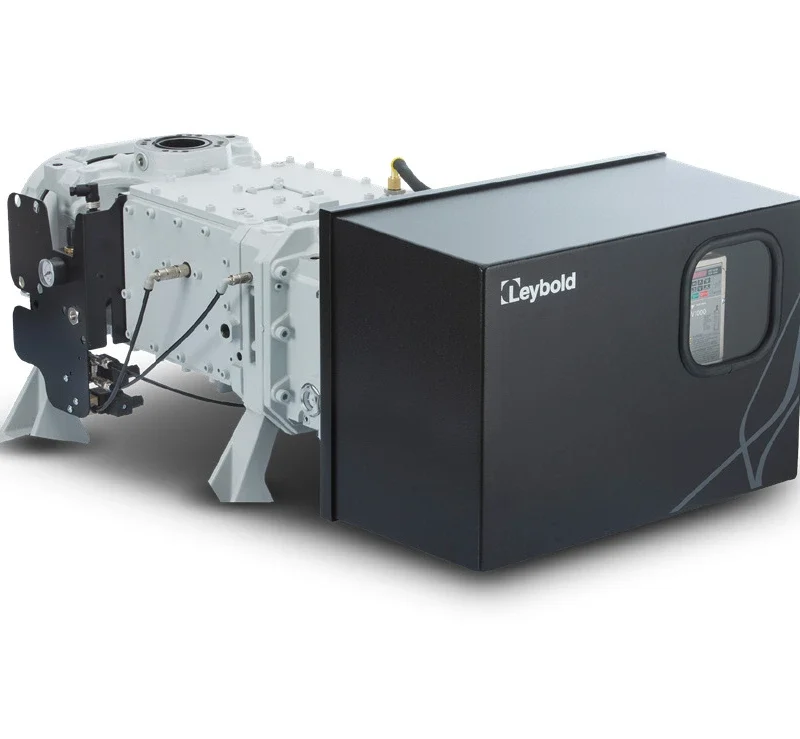
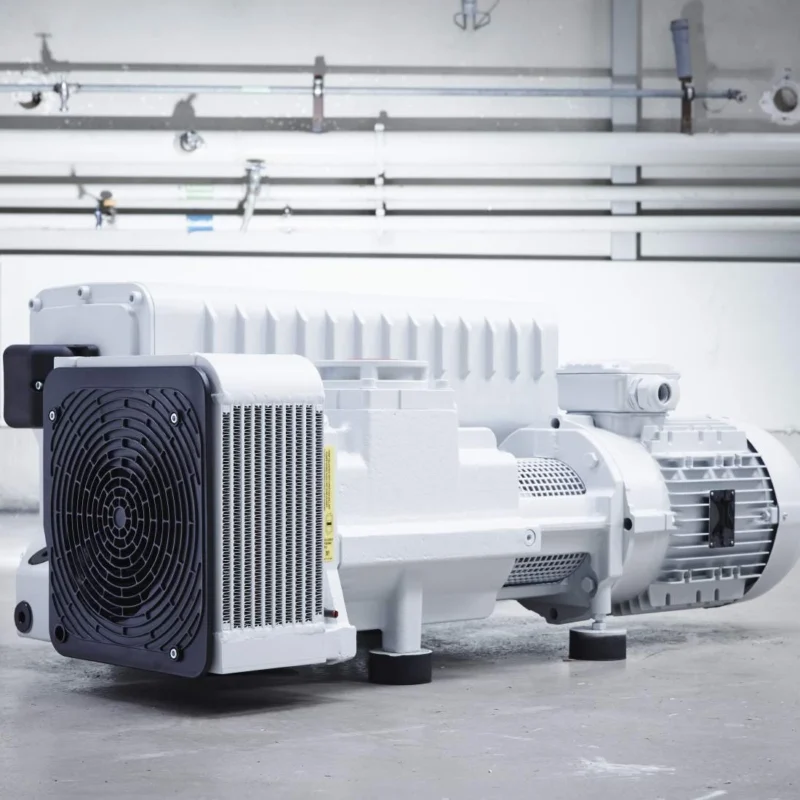
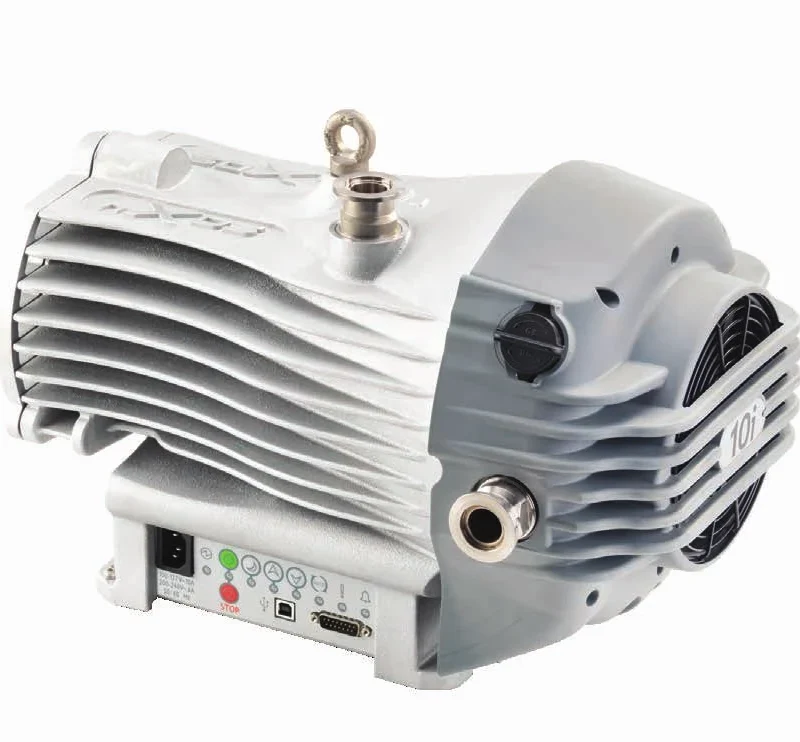
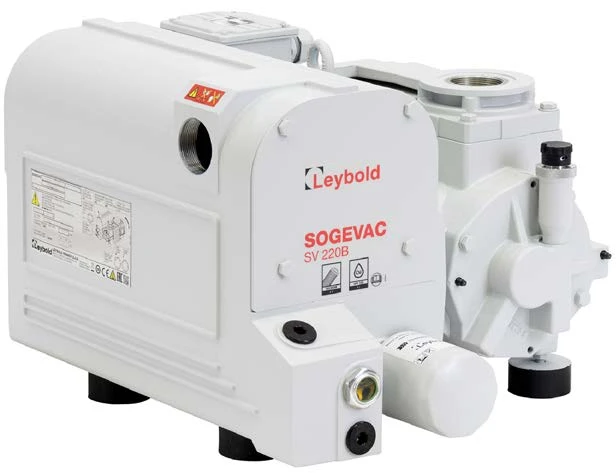
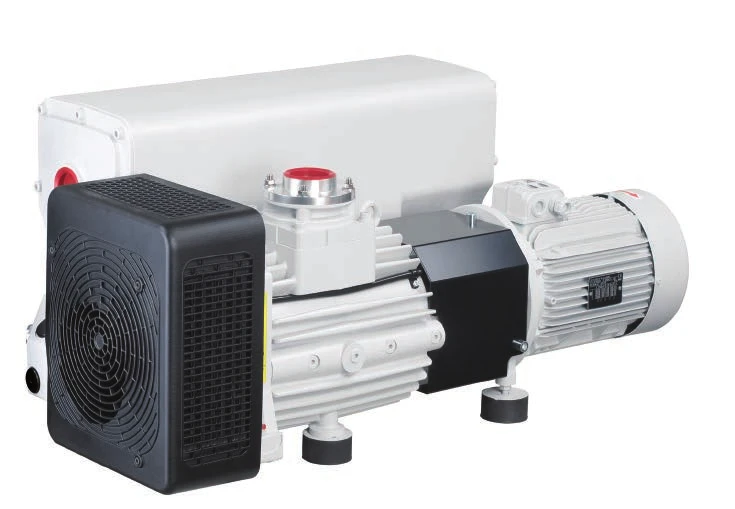
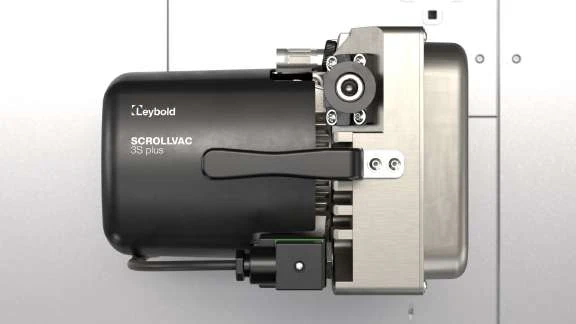
Find oil-lubricated rotary vane, dry carbon vane, claw and rocking piston pumps. Start with the required pressure and flow, then compare technologies against process gases, operating hours and maintenance requirements.
Begin with the vacuum level and flow needed at the process, then compare pump technologies. Consider operating hours, gas or vapour exposure, filtration and maintenance. A replacement for an existing machine also needs to match the available space, connections and electrical supply.
Frequently asked questions
Should I choose an oil-lubricated or dry vacuum pump?
That depends on the process and the operating pressure. Compare the equipment’s gas compatibility, maintenance needs and permitted duty. A dry pumping chamber may be useful for some applications, but it does not automatically mean the pump is suitable for corrosive gases or liquids.
How do I size an industrial vacuum pump?
Provide the required pressure and flow, connected equipment and how demand changes during a cycle. For evacuation duties, include system volume and the required evacuation time. Pipe restrictions and leakage need to be considered alongside nominal pump capacity.
Can a vacuum pump run continuously?
Only within the operating limits specified for that model. Confirm pressure range, cooling, ambient conditions and electrical requirements. Tell us whether the pump runs continuously, cycles frequently or operates for short periods.
Can you help replace an older industrial pump?
Send the make, model, nameplate photograph and a description of its duty. Include inlet and outlet sizes, electrical supply and any space restrictions. We can discuss catalogue options and identify the details that need checking before a replacement is selected.
We use cookies to ensure that we give you the best experience on our website. If you continue to use this site we will assume that you are happy with it.