

Practical guides to vacuum equipment, product selection and the details that make an installation work.
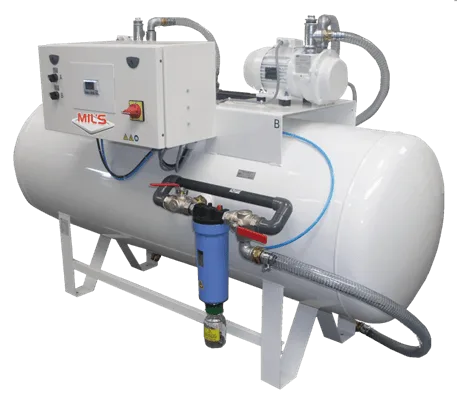
Choosing a Laboratory Vacuum Pump: A Practical Guide
Choosing a lab vacuum pump: diaphragm for chemistry, filtration and rotary evaporation; two-stage rotary vane or scroll for freeze-drying; turbo (on a backing pump) for high-vacuum instruments.
Scroll vs Rotary Vane Vacuum Pump: Which Should You Choose?
Dry scroll pumps are oil-free and clean (~10^-2 mbar); oil-sealed rotary vane pumps reach a deeper vacuum at lower cost but need oil changes. Here’s how to choose.
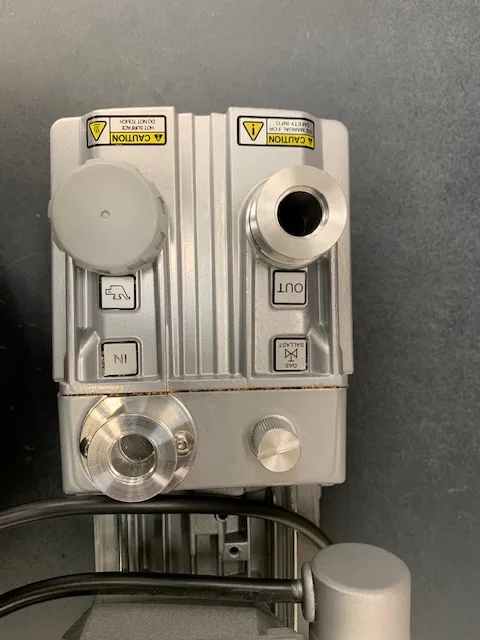
Single-Stage vs Two-Stage Rotary Vane Vacuum Pumps
Single-stage rotary vane pumps reach about 10^-1 mbar; two-stage pumps reach about 10^-3 mbar – a deeper, more stable vacuum. Here’s how to choose between them.
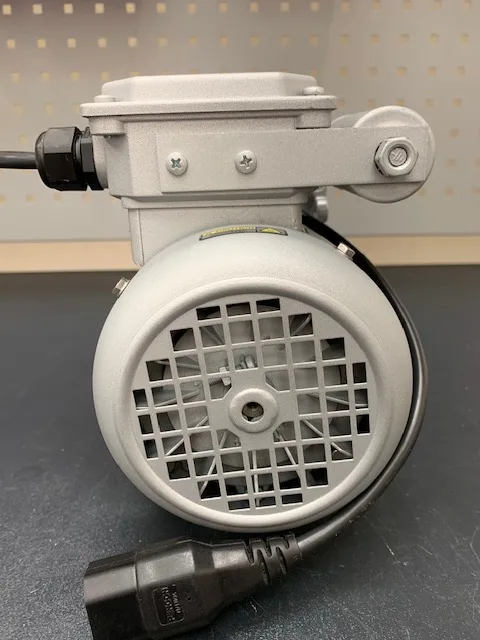
Why Is My Vacuum Pump Leaking Oil? Causes and Fixes
Vacuum pump leaking oil? The usual causes are a worn shaft seal, a failed gasket or O-ring, overfilling, back-pressure from a blocked exhaust, or oil mist from a spent exhaust filter.
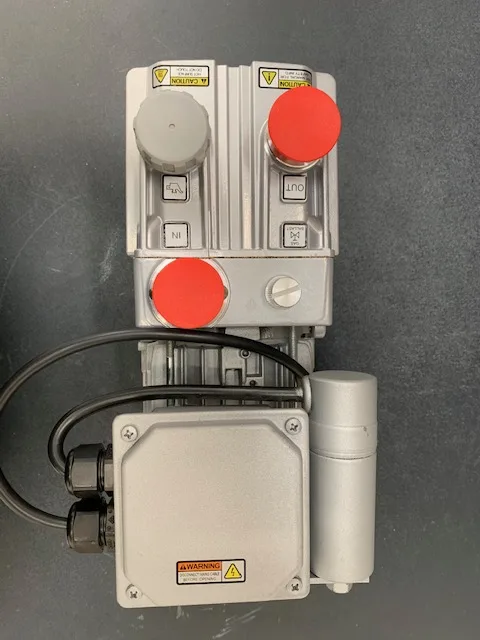
Why Is My Vacuum Pump Noisy? Causes and Fixes
A noisy vacuum pump usually means low or contaminated oil, worn bearings or vanes, a sticking valve, cavitation from a leak, or loose mountings. Here’s how to diagnose each.
What is gas ballast, and when is it used?
Learn how gas ballast helps a vacuum pump handle vapour, why temperature matters and how the setting affects ultimate pressure.
Rough, high and ultra-high vacuum explained
Understand rough, medium, high and ultra-high vacuum ranges, absolute pressure and what changes as a vacuum system reaches lower pressures.
Pumping speed vs ultimate pressure: what’s the difference?
Understand pumping speed, ultimate pressure and performance at the chamber, with practical examples for comparing vacuum pumps.
Vacuum Pressure Units Explained: mbar, Torr, Pascal & PSI
Vacuum pressure units explained – mbar, Torr, pascal, mmHg and microns, with a conversion table. Lower numbers mean a deeper vacuum. 1 mbar = 0.75 Torr = 100 Pa.
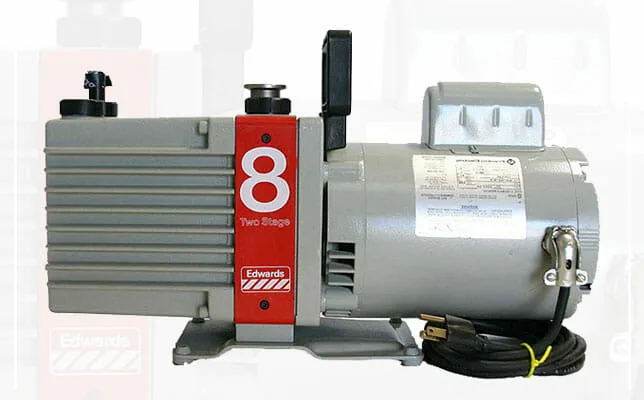
Is It Worth Reconditioning a Vacuum Pump?
Reconditioning is usually worth it when the pump body and motor are sound and the fault is wear-related – a rebuilt, tested pump costs far less than new. Here’s when to recondition and when to…